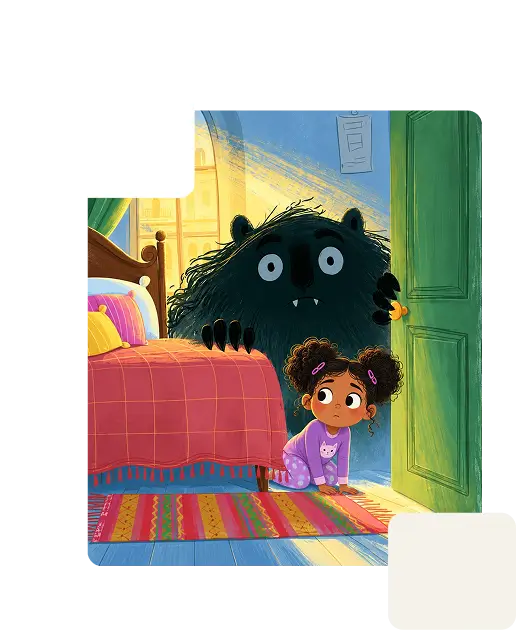
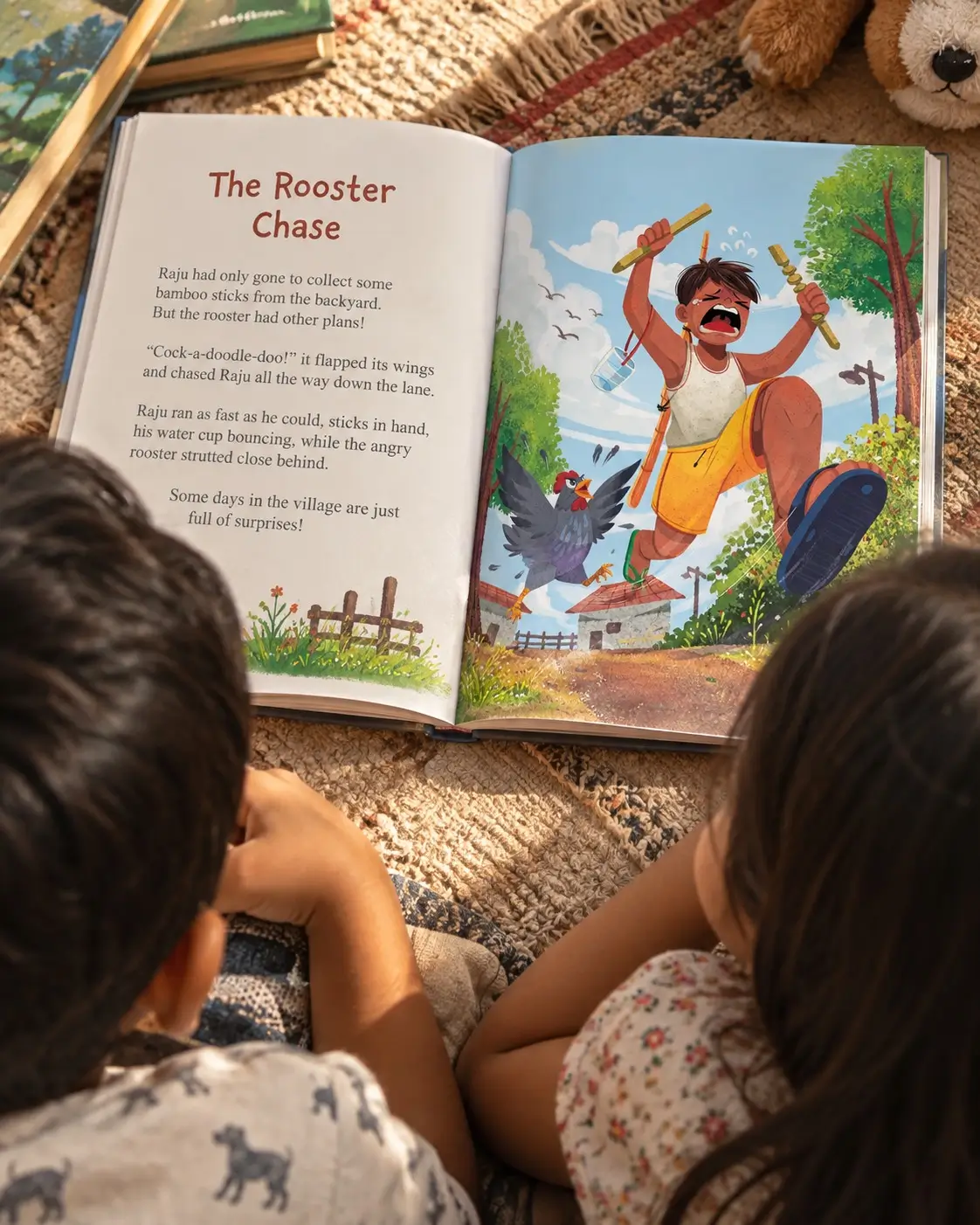
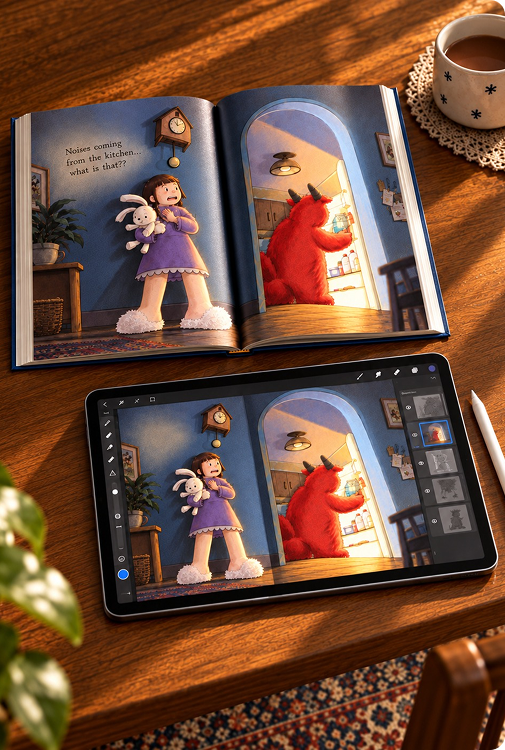
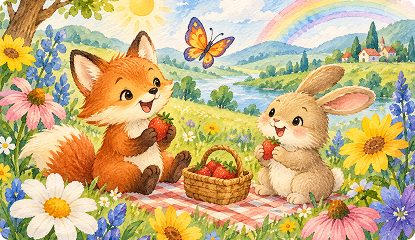
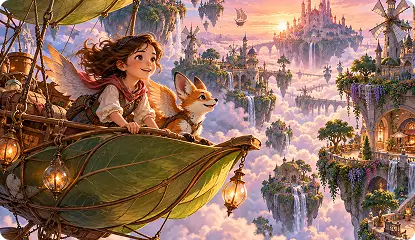
Book illustration is not about filling empty space with pictures.
It is about giving the story another way to speak. It means thinking about:
How the characters should look and feel
Which moments need illustration
How the art should move from page to page
Which style fits the story and its readers
How text and imagery will work together
What the artwork needs for print, digital, and publishing
BookBirds helps shape these decisions before final artwork begins, so the illustrations feel built into the book, not added onto it.
Who Is This Service For
Book illustration services are for authors who want the visuals to feel as considered as the writing.
It is a strong fit if you:
Are creating a children’s book, picture book, fiction title, or illustrated project
Have a manuscript but need help defining its visual direction
Need a children’s book illustrator who can maintain character and scene consistency
Want custom artwork created specifically for your story
Need help choosing the right illustration style
Want artwork developed with final layout and publishing requirements in mind
Who This Service Is Not For
Book illustration works best when there is room for collaboration, development, and refinement.
It may not be the right fit if you are looking for:
Ready-made or generic artwork
Illustrations created without reference to the manuscript
A rushed process with no time for sketching or refinement
Multiple unrelated visual styles within the same book
A fully hands-off process with no creative discussion
Inside Our Book Illustration Services
Our custom book illustration services cover the visual development of your book from early concepts to finished artwork.
Character Illustration
We develop characters with a clear visual identity, consistent features, proportions, expressions, clothing, and personality across every scene.
Picture Book Illustration
We create picture book illustrations that carry emotion, support pacing, and help the visual story move naturally alongside the text.
Full-Page Illustrations
Full-page artwork for moments that need atmosphere, emotion, scale, or greater visual impact.
Two-Page Spread Illustration
We design immersive spreads across facing pages while considering composition, gutter placement, text, and the rhythm of the page turn.
Book Cover Illustration
We create cover artwork that reflects the story inside while still working as a strong first impression on shelf, screen, and thumbnail.
Illustration Style Development
We help define the visual direction of the book, from mood and palette to line, texture, character treatment, and overall style.
Our Book Illustration Process
We develop book illustrations in defined stages, so the visual direction is clear before final artwork begins.
Step 1
Start With the Story
We review your manuscript, audience, characters, tone, and publishing goals to understand what the artwork needs to communicate.
Step 2
Find the Visual Direction
We explore references, composition, mood, color, and suitable illustration styles before moving into production.
Step 3
Develop Characters & Concepts
We create initial character and scene concepts to establish visual consistency across the book.
Step 4
Build the Illustrations
Approved concepts move into detailed artwork, with composition and page placement considered throughout.
Step 5
Refine the Final Artwork
We incorporate agreed feedback and prepare the illustrations for the book’s final print or digital format.
Illustration Styles We Help You Explore
Not every story needs the same visual language.
The right direction depends on the reader, genre, atmosphere, and role the illustrations play in the book.
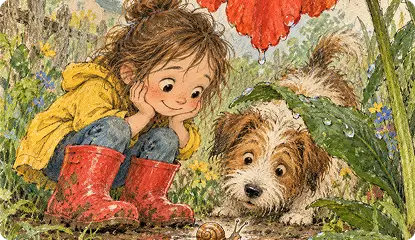
Watercolor
Soft, expressive, and ideal for stories that need warmth, movement, or a more handcrafted feel.
Digital Illustration
Flexible and highly adaptable, from clean character work to detailed cinematic scenes.
Hand-Drawn
Organic, tactile, and full of personality, especially suited to books that benefit from a more human, imperfect finish.
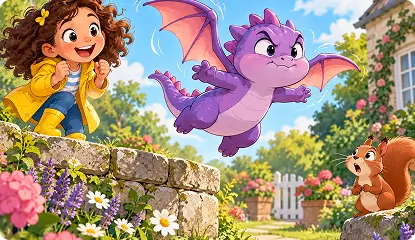
Cartoon
Expressive, playful, and particularly suited to character-led children’s books.
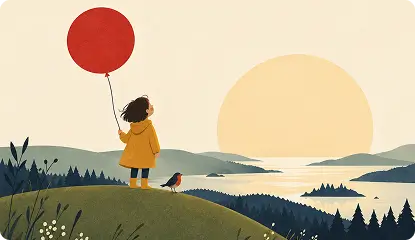
Minimal
Simple shapes, restrained detail, and clean composition for modern or concept-led books.
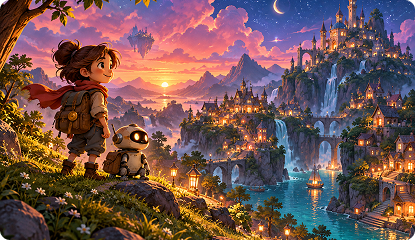
Fantasy
Rich visual worlds, imaginative characters, and detailed environments for stories that need a stronger sense of place.
Illustration Formats We Work With
Not every moment in a book needs the same visual weight.
Here are some illustration formats you can choose from:
Spot Illustrations
Small visuals used to support a detail, moment, or section of text without taking over the page.
Half-Page Illustrations
A balanced format when text and artwork need to share the page.
Full-Page Illustrations
For scenes that need more space, atmosphere, or emotional impact.
Two-Page Spreads
For immersive moments, larger environments, and scenes that deserve the full spread.
Covers
Illustrated covers designed as part of the book’s visual identity or as a standalone piece.
Frequently Asked Questions
How much does it cost to illustrate a children’s book?
The cost depends on the number of illustrations, style, level of detail, character count, and whether the book uses spot art, full pages, or spreads. We scope each project around the actual manuscript.
How many illustrations does a 32-page children’s book need?
It depends on the layout and pacing, but many 32-page picture books use around 12–17 illustrated scenes or spreads. The right number is determined by how the story moves from page to page.
How long does it take to illustrate a children’s book?
A complete illustration project can take several weeks to a few months, depending on complexity, number of scenes, character development, and revisions. We set a realistic timeline before production begins.
How do I choose the right illustrator for my children’s book?
Look for strong character consistency, storytelling ability, style fit, publishing knowledge, and a clear process. The right illustrator should understand the manuscript, not just create attractive individual images.
What illustration style is best for my children’s book?
The best style depends on the reader’s age, story tone, genre, characters, and overall mood. We help choose a direction that fits the book rather than forcing it into a trend.
What size should children’s book illustrations be for print?
Illustrations should be created around the final trim size, bleed, and layout requirements of the book. Print artwork is typically prepared at high resolution, usually 300 DPI.
What are the Amazon KDP requirements for children’s book illustrations?
KDP illustrations need to match the chosen trim size, bleed settings, safe areas, and print-resolution requirements. We plan the artwork around these specifications before final files are prepared.
How do you keep characters consistent throughout a book?
We establish key character features such as proportions, facial details, clothing, colors, and expressions before building the full set of scenes. This helps maintain visual continuity from page to page.
Who owns the copyright to children’s book illustrations?
Copyright and usage rights depend on the project agreement. We make the ownership, licensing, and permitted uses clear before production begins.
Should I finish editing my manuscript before hiring an illustrator?
Ideally, yes. A stable manuscript makes it easier to plan scenes, page turns, pacing, and illustration scope without having to rework artwork later.
Explore our collection of expert tips, writing strategies, publishing insights, and success stories designed to help you transform your manuscript into a book readers won’t forget.